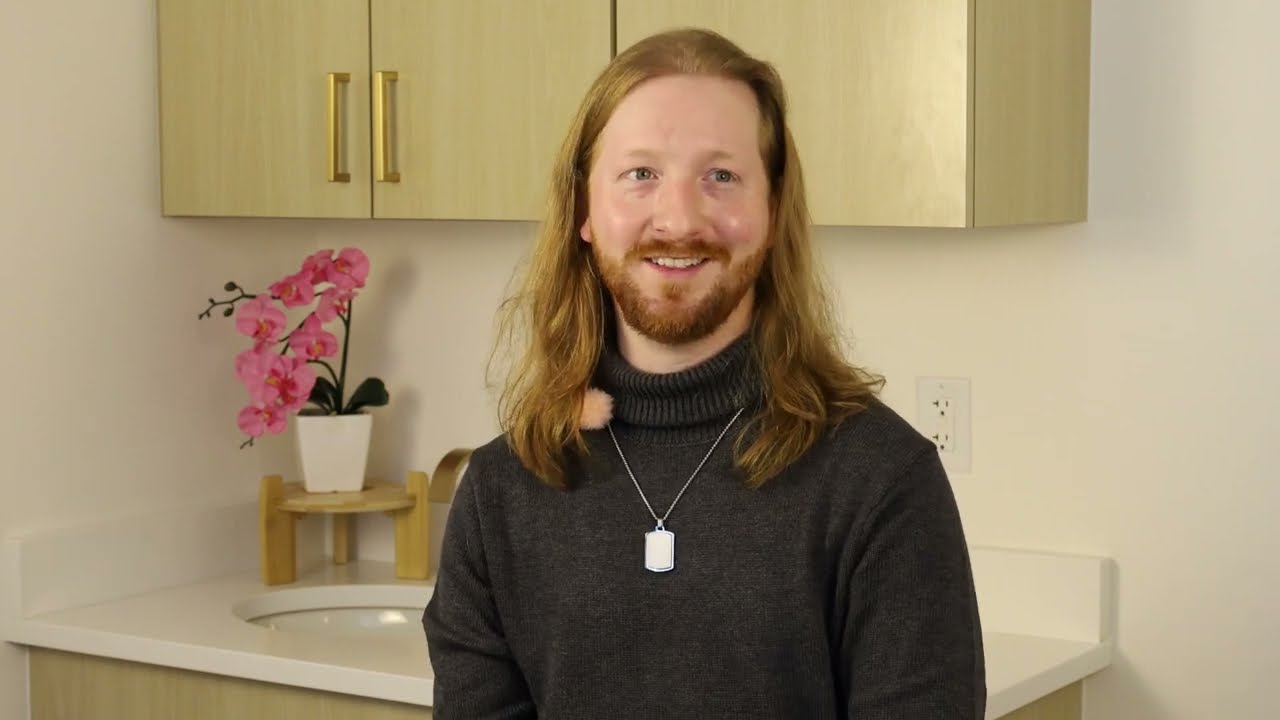

Hair loss affects both men and women, yet the patterns, causes, and treatment approaches often differ significantly. While men typically experience receding hairlines and bald spots due to male pattern baldness, women usually suffer from diffuse thinning across the scalp. At Kalos Hair Transplant in Atlanta, GA, we understand these differences and tailor our hair restoration procedures to meet the unique needs of each patient.
Understanding Hair Loss in Men vs. Women
Men primarily experience androgenetic alopecia, commonly known as male pattern baldness. This condition is largely driven by genetics and the hormone dihydrotestosterone (DHT), which causes hair follicles to shrink over time, leading to hair loss. Male pattern baldness often follows a predictable pattern, starting with a receding hairline or thinning at the crown, eventually leading to partial or complete baldness in affected areas.
Women, on the other hand, experience hair loss in a different way. Female pattern hair loss (FPHL) is also influenced by genetics and hormones but presents as diffuse thinning rather than distinct bald spots. This means that women typically retain their hairlines but may notice a widening part or overall hair density reduction. Causes of female hair loss can also include hormonal imbalances, pregnancy, menopause, thyroid disorders, and stress, making treatment approaches more varied than those for men.
How Hair Transplant Procedures Differ for Men and Women
While Follicular Unit Extraction (FUE) and Follicular Unit Transplantation (FUT) are the most common hair restoration techniques for both genders, their application varies based on the patient’s specific hair loss pattern.
- Male Hair Transplants: Since men often lose hair in defined areas, strategic graft placement is key. Surgeons transplant hair follicles from the donor area (typically the back or sides of the scalp) to the balding or thinning regions, following a natural growth pattern.
- Female Hair Transplants: Women’s hair loss is usually more diffuse, requiring a meticulous approach. Rather than targeting a receding hairline, transplants for women focus on evenly redistributing hair follicles to increase overall density. Additionally, since women often prefer to maintain longer hair, shaving the donor area may not be necessary, unlike in male procedures.
The Importance of a Personalized Approach
At Kalos Hair Transplant, we take a customized approach to hair restoration. Each patient undergoes a comprehensive consultation to evaluate hair loss severity, determine the underlying causes, and create a tailored treatment plan. Factors such as hair texture, donor hair availability, and long-term goals are all considered to ensure optimal results.
Hair transplant procedures are highly successful, with over 90% of transplanted follicles surviving and continuing to grow naturally. Studies show that 40% of women experience some degree of hair loss by age 50, making female hair restoration an increasingly sought-after solution. Similarly, 85% of men experience significant thinning by age 50, highlighting the widespread need for advanced hair restoration options.
Schedule a Consultation with Kalos Hair Transplant
Whether you’re a man or a woman experiencing hair loss, Kalos Hair Transplant in Atlanta, GA, offers state-of-the-art solutions tailored to your needs. Our expertise in FUE and FUT procedures ensures natural, lasting results that restore both your hair and confidence.
Contact us today to schedule a personalized consultation and take the first step toward hair restoration!
Medically reviewed by Benjamin C. Stong, MD on
Posted on behalf of
371 East Paces Ferry Rd, Suite 850
Atlanta, GA 30305
Phone: (404) 963-0871
Email: [email protected]
Opening Hours
Monday – Thursday: 9:00 AM – 5:00 PM
Friday: 9:00 AM – 4:00 PM