Postpartum hair loss is a reality that many women face after the joy of childbirth. While hair shedding after pregnancy is a common biological response, for some women, the thinning does not resolve on its own. When this hair loss continues beyond a year postpartum, it can take a toll on a woman’s confidence, identity, and well-being. At Kalos Hair Transplant in Atlanta and Buckhead, we offer expert, compassionate care tailored to women dealing with persistent postpartum hair loss.
Under the direct supervision of Dr. Benjamin Stong, a double board-certified facial plastic surgeon, Kalos delivers a level of aesthetic precision and medical oversight rarely found in hair restoration clinics. Unlike many facilities that delegate critical tasks to technicians, Kalos patients benefit from Dr. Stong’s involvement throughout the evaluation and treatment planning process. His experience with facial aesthetics allows him to design restorations that enhance, rather than simply fill in, the natural hairline and density.
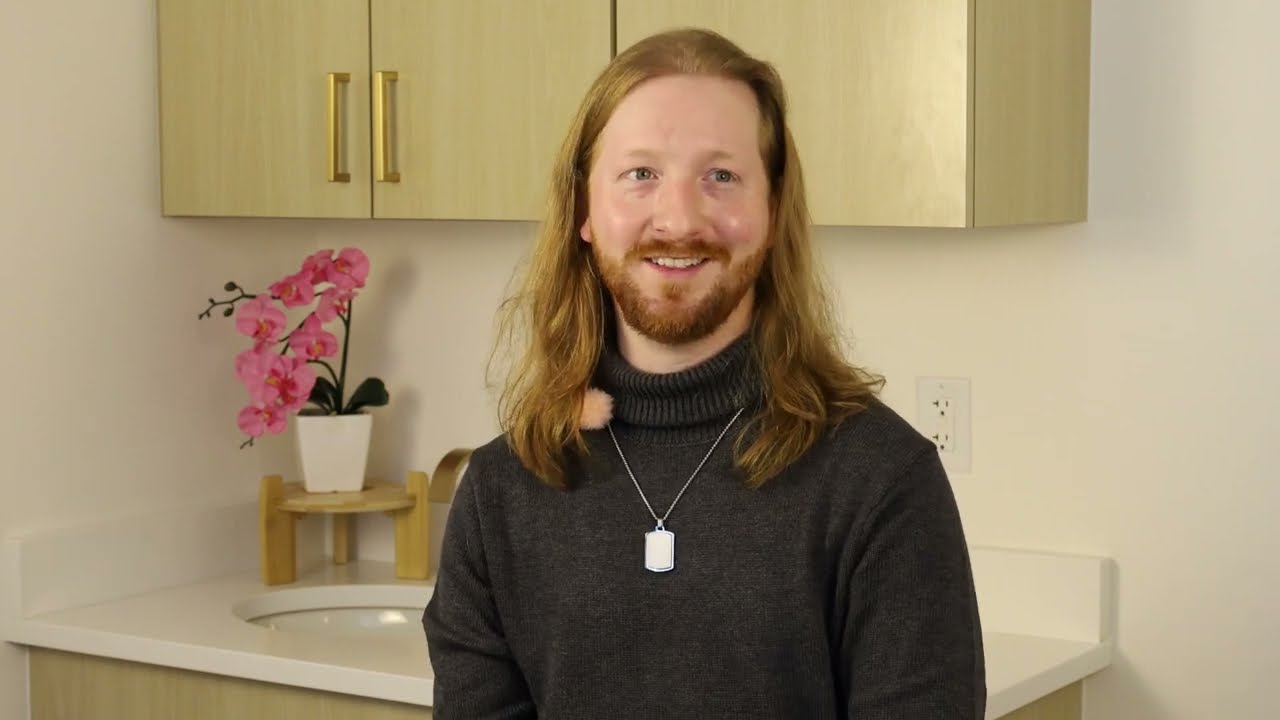
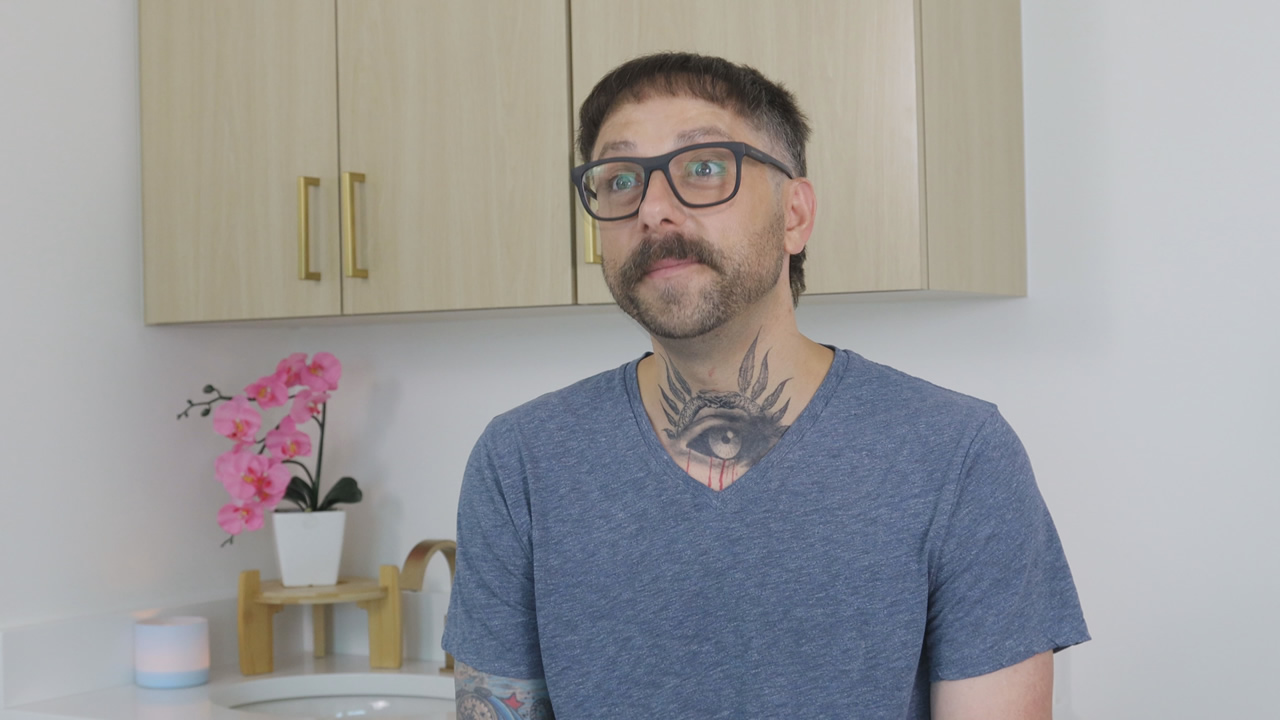
I came in for injections to help with some thinning I was experiencing on my frontal hairline. I couldn’t be happier after treatment and am excited to see my results after full treatment is completed in 3-6 months. This is a great option for women that many aren’t even aware of if you are experiencing some hair loss/ thinning.
What Is Postpartum Hair Loss?
Medically referred to as telogen effluvium, postpartum hair loss is caused by a shift in the normal hair growth cycle. During pregnancy, elevated levels of estrogen extend the anagen (growth) phase, often resulting in thicker, more lustrous hair. After delivery, estrogen levels decline rapidly, triggering a large number of hairs to enter the telogen (resting) phase and eventually fall out.
This shedding usually begins two to four months after childbirth and peaks around the six-month mark. For many women, it’s temporary, with hair regrowing within 6 to 12 months. But for others, especially those with a genetic predisposition to hair thinning, the loss may not fully recover, or the regrowth may be significantly thinner than before pregnancy.
How Common Is Postpartum Hair Loss?
According to the American Academy of Dermatology, up to 50 percent of new mothers experience some degree of hair shedding postpartum. While temporary in most cases, studies suggest that nearly 10 to 15 percent of women experience lingering thinning that lasts more than a year after childbirth. Women with multiple closely spaced pregnancies, underlying thyroid dysfunction, or a family history of female pattern hair loss are more likely to experience long-term effects.
When to Seek Treatment
If your hair is still noticeably thinner 12 to 18 months after giving birth, or if you are seeing significant hairline recession, temple thinning, or diffuse thinning that makes your scalp more visible, it may be time to consult a hair restoration specialist.
Kalos Hair Transplant offers a comprehensive evaluation for women experiencing postpartum hair loss, including:
- Review of medical history, hormonal status, and nutrition
- Family history of hair loss and female pattern thinning
- Scalp assessment and density analysis using high-resolution imaging
This approach allows Dr. Stong to distinguish between temporary shedding and long-term follicular miniaturization that may require advanced intervention.
Unique Challenges in Treating Women’s Hair Loss
Hair loss in women, especially after pregnancy, presents unique challenges that require expert attention. Unlike men, who typically experience bald spots and receding hairlines, women tend to have more diffuse thinning that affects styling and overall volume.
Women are also more likely to have emotional distress related to hair changes, particularly after the major identity shift of motherhood. It is not just about aesthetics, but about reclaiming a sense of normalcy, femininity, and confidence.
Kalos offers a discreet, supportive environment where women can discuss these concerns and explore individualized solutions without judgment or pressure.
Non-Surgical Treatments for Early Postpartum Thinning
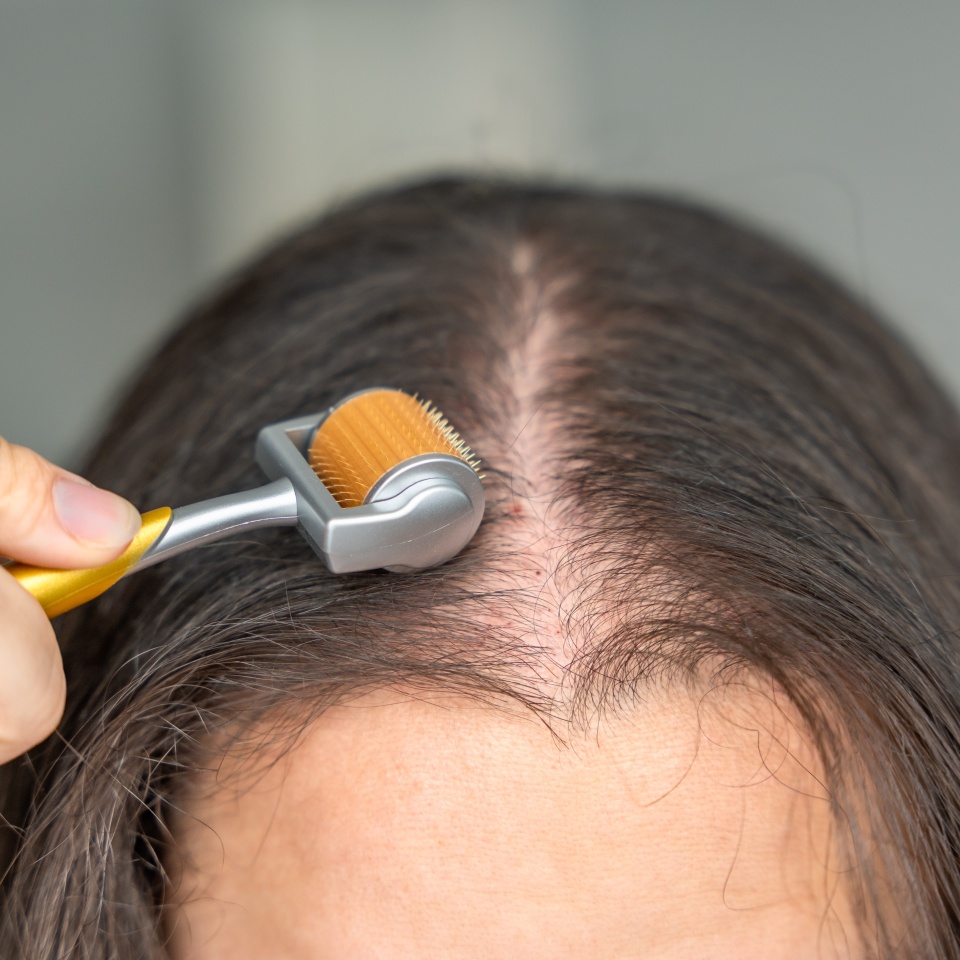
Many women with early or mild postpartum hair loss can benefit from non-surgical treatments that support follicle function and encourage regrowth. Kalos offers the latest advancements in regenerative hair therapies:
Platelet-Rich Plasma (PRP)
PRP is derived from your own blood and concentrated to isolate healing growth factors. When injected into the scalp, PRP stimulates stem cells around the hair follicles, improves blood flow, and prolongs the growth phase of the hair cycle. It is especially effective in women with early follicle miniaturization.
Exosome Therapy
Exosomes are extracellular vesicles derived from stem cells that contain signaling proteins, RNA, and other molecules that promote healing and regeneration. Kalos offers advanced exosome treatments for patients who want to enhance the quality of their existing hair and boost follicle activity in thinning areas.
Low-Level Laser Therapy (LLLT)
LLLT devices deliver gentle light waves that increase ATP production in follicle cells and improve circulation to the scalp. At-home or in-office treatments can help slow shedding and stimulate regrowth in postpartum patients.
Nutritional Optimization
Postpartum women are often deficient in key nutrients like iron, ferritin, biotin, vitamin D, and zinc. These deficiencies can compound hair thinning. Kalos evaluates nutritional status and provides targeted supplementation where necessary to create an optimal internal environment for hair growth.
Hormonal Screening
In some cases, lingering hair loss after pregnancy may be influenced by thyroid imbalances, polycystic ovary syndrome (PCOS), or other hormonal disorders. Kalos coordinates with trusted physicians when additional testing or treatment is needed.

When Hair Transplantation Is the Right Choice
If non-surgical therapies fail to restore adequate density, and if the patient is experiencing localized or patterned thinning that has stabilized, FUE hair transplantation may be the most effective long-term option.
Dr. Stong and the Kalos team specialize exclusively in follicular unit extraction (FUE), a minimally invasive approach that does not require the traditional strip method (FUT). FUE avoids the linear scarring and longer downtime associated with strip harvesting and results in finer, more natural implantation.
FUE is ideal for:
- Temple and frontal hairline recession
- Visible scalp through widened part lines
- Permanent thinning along the hairline or crown
- Restoring thickness around facial framing areas
Each hairline is designed by Dr. Stong with careful attention to facial proportions, natural density, and hair direction. Because he is a facial plastic surgeon, his aesthetic decisions are informed by years of experience in surgical artistry, ensuring that the result complements the patient’s overall appearance.
Emotional Impact of Postpartum Hair Loss
The emotional toll of hair loss after pregnancy is often underestimated. For many women, thinning hair can feel like losing a part of themselves. After enduring the physical and emotional demands of childbirth and motherhood, facing visible hair changes can deepen feelings of anxiety, self-doubt, or depression.
Kalos recognizes this, and we offer care that extends beyond the clinical. Our staff works closely with each patient to understand their goals, lifestyle, and emotional well-being. Hair restoration is not just about regrowth—it is about helping women feel whole again.
Realistic Expectations and Timeline
Postpartum hair loss treatment is a journey, and results take time. Most non-surgical therapies require several months to show improvement, while hair transplantation typically produces full results within 9 to 12 months.
Patients can expect:
- Gradual thickening of existing hair with regenerative therapies
- Strategic restoration in problem areas with FUE transplants
- Long-lasting results that withstand future shedding cycles
Because Dr. Stong takes a conservative, medically grounded approach, each patient receives only the treatments that are appropriate for their condition, ensuring safety and efficacy.
Why Choose Kalos Hair Transplant in Atlanta and Buckhead
Women in Atlanta and Buckhead choose Kalos for postpartum hair restoration because of our commitment to:
- Medical integrity: All consultations and treatment plans are overseen by Dr. Stong
- Advanced technology: We offer cutting-edge FUE techniques, PRP, and exosome therapy
- Aesthetic excellence: Each hairline is designed with precision to enhance facial balance
- Discreet care: We provide a private, supportive environment for every patient
- Real results: Our outcomes look natural, feel natural, and last
Whether you are six months or several years postpartum, it is never too early or too late to begin the conversation about hair restoration.



Schedule Your Consultation
If you are dealing with persistent hair thinning after pregnancy, Kalos Hair Transplant invites you to schedule a confidential consultation at our Atlanta or Buckhead location. Dr. Stong will evaluate your situation, review your options, and help you understand the best path forward.
You do not have to settle for “waiting it out” or masking thinning with hairstyles and products. With the right treatment plan, you can restore your hair—and your confidence—with results that are as natural as they are transformative.