
You don’t have to wait until you’re bald to think about a hair transplant. If your hair is thinning fast, though, it might be too soon for surgery. A transplant can fill in certain spots, but if your genetic hair loss keeps going, the hair around those grafts can keep thinning.
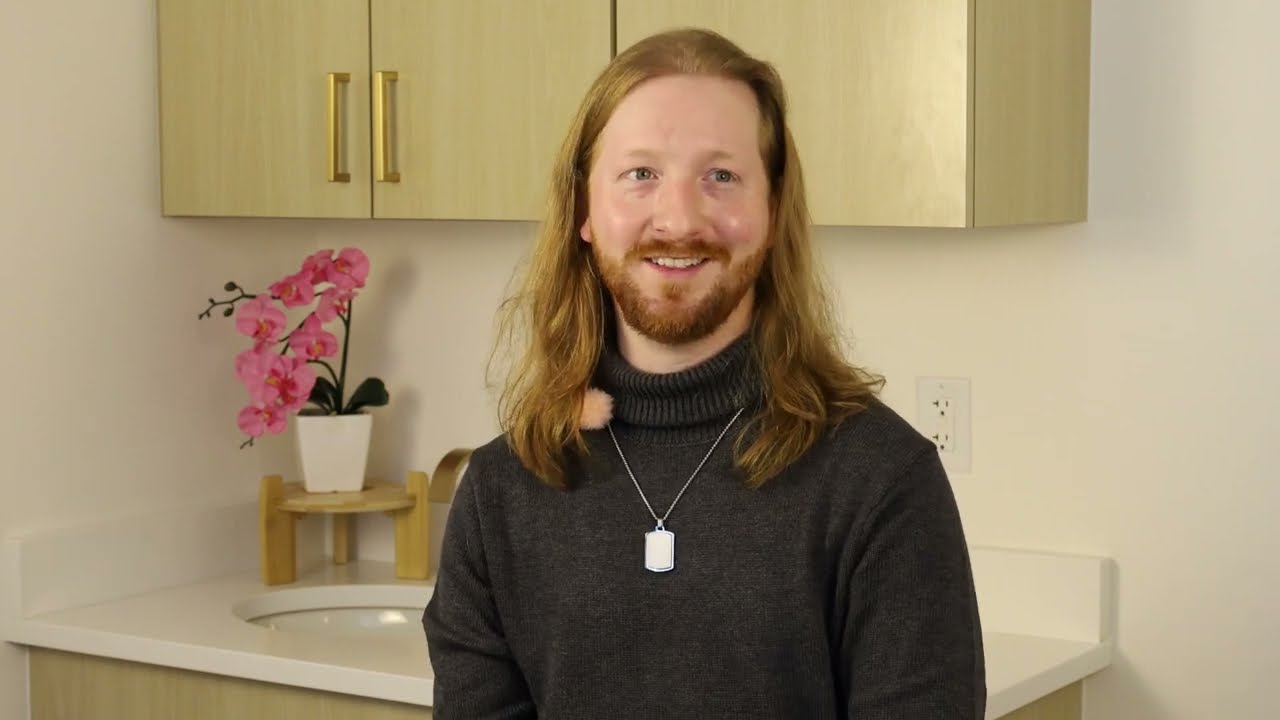
At Kalos Hair Transplant in Atlanta, Dr. Benjamin Stong will guide your evaluation and help you build a long-term hair restoration plan. If FUE is the right fit, our NeoGraft® team handles your transplant with physician supervision every step of the way.
Why Timing Matters With Progressive Hair Loss
Androgenetic alopecia, or pattern hair loss, usually continues over time. A hairline that looks appropriate today also needs to make sense if the hair behind it becomes thinner later.
The International Society of Hair Restoration Surgery recommends saving some donor hair for the future if you’re likely to lose more hair over time. If you’re losing hair quickly or have a family history of hair loss, you may need more procedures later on.
You only have so much donor hair. Using too much too soon can leave you with fewer grafts for your mid-scalp or crown if your hair loss pattern changes.
What We Look at Before Recommending FUE
Your consultation helps us evaluate:
- How quickly your hair loss has changed
- Your family history of thinning or baldness
- The density and quality of your donor hair
- Whether thinning follows a predictable pattern or is more diffuse
- Any hair-loss treatment you’re already using
- Which areas matter most to you
Our genetic hair loss treatment may include surgical or non-surgical options depending on what we find. Dr. Stong’s dual board-certified facial plastic surgery background also brings facial proportion and natural hairline design into the plan.
Can the Rest of Your Hair Keep Thinning After a Transplant?
Yes. A transplant adds new follicles to certain areas, but it won’t stop androgenetic alopecia from affecting your other hair.
Clinical guidance on hair-transplant candidacy calls for extra caution with diffuse thinning and active, rapidly progressing hair loss because existing scalp hair can continue to thin over time.
Planning your donor hair from the start is important. A good transplant plan makes sure you have options if your hair loss pattern changes later.
When Is It Better to Wait?
If your hair is thinning fast, you have diffuse loss, or your donor area isn’t clearly defined yet, waiting can help protect your options for the future.
We might suggest medical or non-surgical treatments first, then revisit FUE once your hair loss pattern is more predictable. This way, we’ll know exactly what needs restoring and how much donor hair you should save for later.
FAQ
Do I have to wait until I am completely bald for a hair transplant?
No. Hair transplantation can be considered before advanced baldness as long as your pattern, donor supply, and likely future loss can be planned responsibly.
Will a hair transplant stop the rest of my hair from thinning?
No. A transplant moves follicles into thinning areas, but it doesn’t stop androgenetic alopecia in your remaining native hair.
Plan Your Hair Restoration in Buckhead
If your hairline or density is still changing, schedule a consultation with Kalos Hair Transplant in Atlanta. We’ll look at your donor hair, current pattern, and long-term goals, then let you know if FUE is right for you now or if waiting could give you better options down the road.
Medically reviewed by Benjamin C. Stong, MD on
Posted on behalf of
371 East Paces Ferry Rd, Suite 850
Atlanta, GA 30305
Phone: (404) 963-0871
Email: [email protected]
Opening Hours
Monday – Thursday: 9:00 AM – 5:00 PM
Friday: 9:00 AM – 4:00 PM