
Hair loss can be a scary experience, especially when it happens unexpectedly or at a young age. While it’s common to associate hair loss with genetics or aging, it’s important to remember that it can also be a symptom of an underlying medical condition.
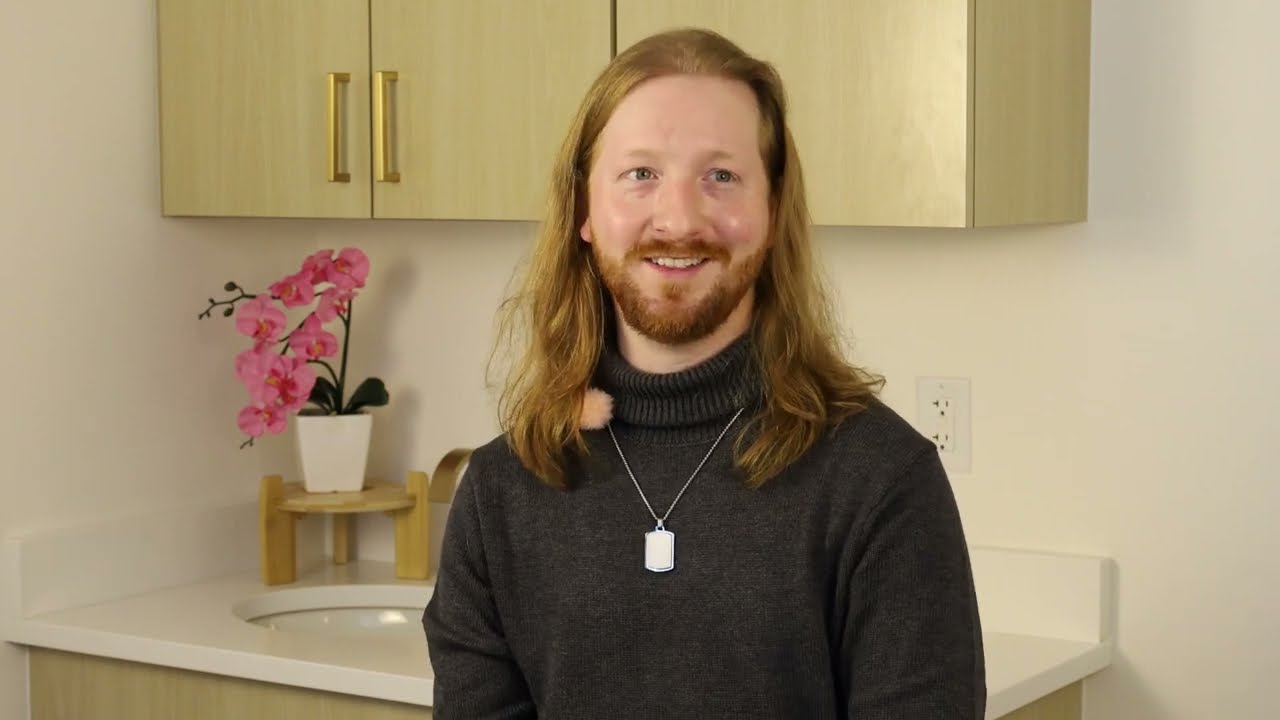
Dr. Benjamin C. Stong and his team at Kalos Hair Transplant in Atlanta, GA, can help you understand the physics of hair growth and loss and how your health can impact them. Let’s explore some of the medical illnesses that can cause hair loss, and what you can do to address the issue.
Thyroid Disorders
The thyroid gland is responsible for regulating the body’s metabolism, and disorders like hyperthyroidism and hypothyroidism can cause hair loss. In hyperthyroidism, an overactive thyroid gland produces too much thyroid hormone, which can lead to hair thinning and hair loss. On the other hand, hypothyroidism, an underactive thyroid gland, can cause brittle hair that breaks easily, as well as hair loss.
Autoimmune Disorders
Autoimmune disorders are conditions in which the body’s immune system attacks its own tissues, and can cause hair loss as a result. Alopecia areata is an autoimmune disorder that specifically targets hair follicles, causing hair loss in patches. Other autoimmune disorders like lupus and scleroderma can also cause hair loss as a symptom.
Iron Deficiency Anemia
Iron is an important nutrient that helps transport oxygen throughout the body, including to hair follicles. When the body doesn’t have enough iron, it can lead to iron deficiency anemia, which can cause hair loss. Other symptoms of iron deficiency anemia include fatigue, weakness and pale skin.
Polycystic Ovary Syndrome (PCOS)
Polycystic ovary syndrome (PCOS) is a hormonal disorder that affects women. It’s caused by an overproduction of androgens, which are male hormones that women also produce. PCOS can cause hair loss on the scalp, as well as excess hair growth on the face and body.
Stress
Stress is a common cause of hair loss, and it can be both physical and emotional. Physical stressors like surgery, illness and rapid weight loss can cause hair loss, as can emotional stressors like divorce, job loss and financial difficulties. When the body experiences stress, it can send hair follicles into a resting phase, causing hair to fall out.
What Can You Do?
If you’re experiencing hair loss, it’s important to see our team at Kalos Hair Transplant to determine the underlying cause. Depending on the cause, treatment options may include medication, lifestyle changes and hair restoration procedures. For example, if your hair loss is caused by a thyroid disorder, medication to regulate thyroid hormones may be prescribed. If your hair loss is caused by iron deficiency anemia, iron supplements may be recommended.
In addition to medical treatments, there are also lifestyle changes you can make to promote hair health. Eating a balanced diet that includes protein, iron and other essential nutrients can help promote hair growth. Avoiding harsh hair treatments like chemical relaxers and hot tools can also help protect hair from damage.
Kalos Hair Transplant offers non-surgical hair restoration options and hair transplants with the innovative NeoGraft® Hair Transplant System. Dr. Stong and his team will help you identify and treat the underlying cause of your hair loss so you can prevent further hair loss and promote new hair growth. With the right treatment and care, you can regain your confidence and enjoy a healthy head of hair.
Contact us in Atlanta today at (404) 963-0871 to schedule a consultation.
Medically reviewed by Benjamin C. Stong, MD on
Posted on behalf of
371 East Paces Ferry Rd, Suite 850
Atlanta, GA 30305
Phone: (404) 963-0871
Email: [email protected]
Opening Hours
Monday – Thursday: 9:00 AM – 5:00 PM
Friday: 9:00 AM – 4:00 PM